Watching Movement Through New Eyes
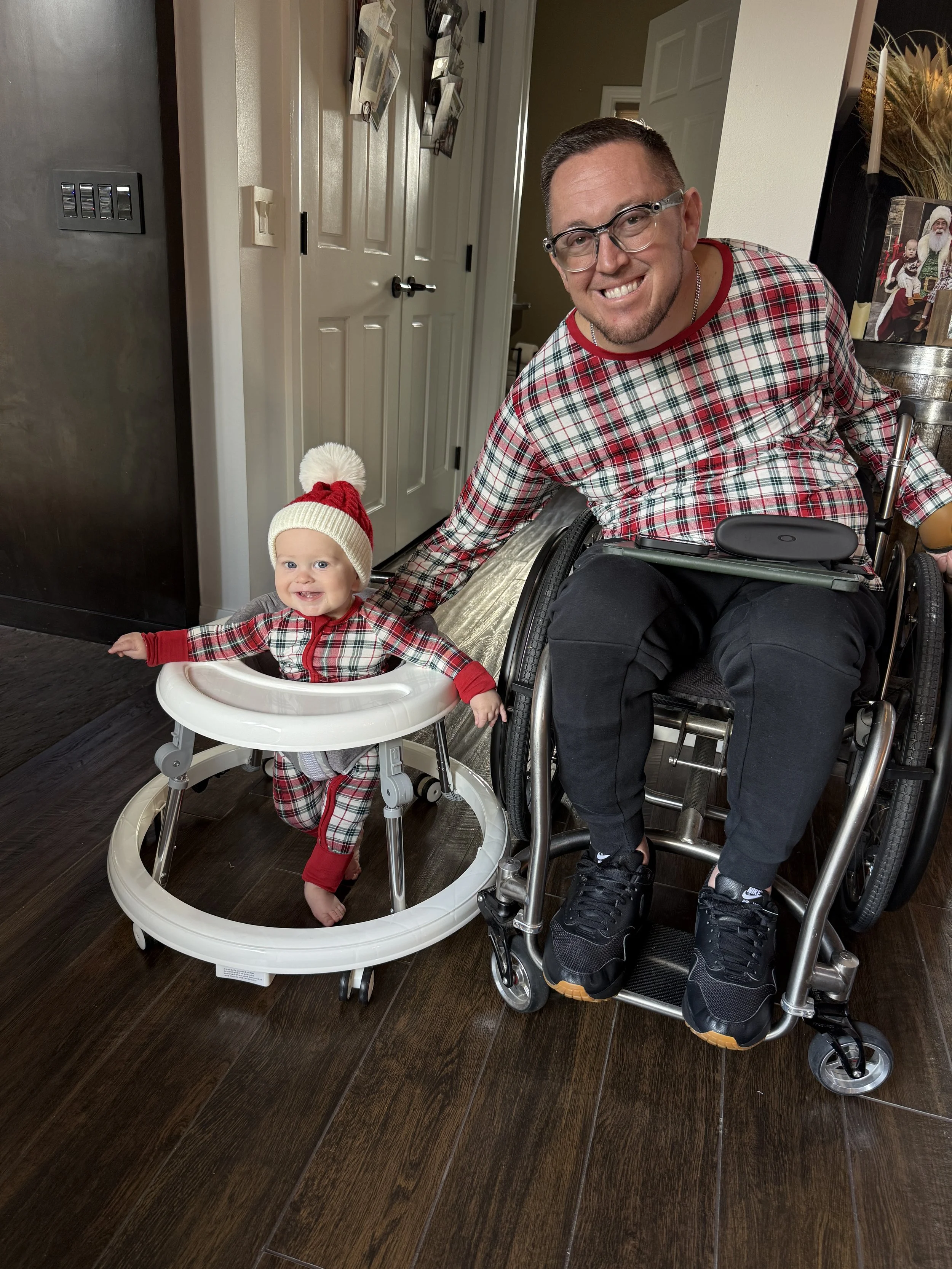
Watching Movement Through New Eyes
For most of my adult life, I have looked at movement through a very specific and ever-evolving lens.
Every day begins with some form of assessment. Not in a clinical sense, but in a lived one. How does my body feel today? What is available to me? What will require more intention, more preparation, more protection? Nearly eighteen years removed from a spinal cord injury at the cervical fifth vertebra, movement has never been passive or assumed. It has been something to study, respect, and work toward with precision.

Recovery taught me early on that effort matters, but strategy matters just as much. Hard work alone is rarely enough. Progress requires the right inputs, the right timing, the right environment, and access to high-quality care. Over time, I learned to see movement not as a single act, but as a system. Strength without control means little. Effort without organization often leads to compensation. And progress, when it comes, usually arrives quietly.
That daily assessment has also demanded honesty.
Because part of assessing recovery is acknowledging not only effort, but outcome. And the truth is, despite nearly eighteen years of discipline, therapy, consistency, and showing up, the physical gains have been modest. Meaningful, yes. Hard-earned, absolutely. But modest.
That reality does not negate the work. It contextualizes it.
Recovery has shown me that progress does not always look the way we hope. Sometimes it shows up as increased tolerance rather than increased ability. Sometimes it looks like stability instead of expansion. Sometimes it is the absence of decline rather than a dramatic gain.
There are still daily challenges. Fatigue. Vulnerabilities. Limitations. Moments when the body makes its boundaries unmistakably clear. And while I remain open to medical and technological advancements, I also live with the understanding that my future may not include walking again. That possibility exists. And it deserves to be acknowledged without fear.
What I’ve learned, though, is that physical function is only one measure of a life.

Even if my life presents no future opportunity, through medicine or technology, to regain certain physical abilities, I can still be deeply proud of the life I have built. Because while my physical gains may be limited, my life has expanded in other profound ways.
Mentally, I have grown. Emotionally, I have matured. Spiritually, I have been reshaped. Purposefully, I have found meaning that extends far beyond my own body.
I have built a family. I have built a business. I have built a community. I have contributed to the lives of others in ways that matter. I have lived.
And that matters.
It matters because this truth extends far beyond me. For anyone living with injury or diagnosis, a life with limitation is still a life worth living. It is not a consolation prize. It is not a lesser option. It is life. And being alive, with all its complexity, frustration, beauty, and contradiction, is infinitely better than the alternative. Better than absence. Better than silence. Better than six feet underground.
That understanding has changed how I assess recovery. The question is no longer only what I have regained, but what I have built. And often, the answer surprises me.
At the same time, movement has never existed in isolation for me.
As the owner of a business rooted in paralysis recovery, movement is not only personal, it is professional. Every day, I watch specialists assess bodies, identify patterns, and work within the nervous system’s capacity to adapt. Our approach at The Perfect Step is grounded in something both simple and profound: the foundational principles of childhood movement development.
Before strength, there is stability. Before complexity, there is sequence. Before performance, there is safety.
We focus heavily on rebuilding the developmental continuum most people experience early in life. Rolling. Reaching. Weight-bearing. Transitions. Balance. Coordination. These aren’t just milestones for infants. They are the building blocks of human movement at every stage, especially when the nervous system has been disrupted.
Because of that, movement is never just movement for me.
It is analysis layered with experience. Pattern recognition informed by years of observation. Knowing when to push and when to pause. Understanding that the nervous system does not respond well to force, but often responds beautifully to consistency and trust.
And now, I’m seeing all of this through a third lens I never fully anticipated: fatherhood.
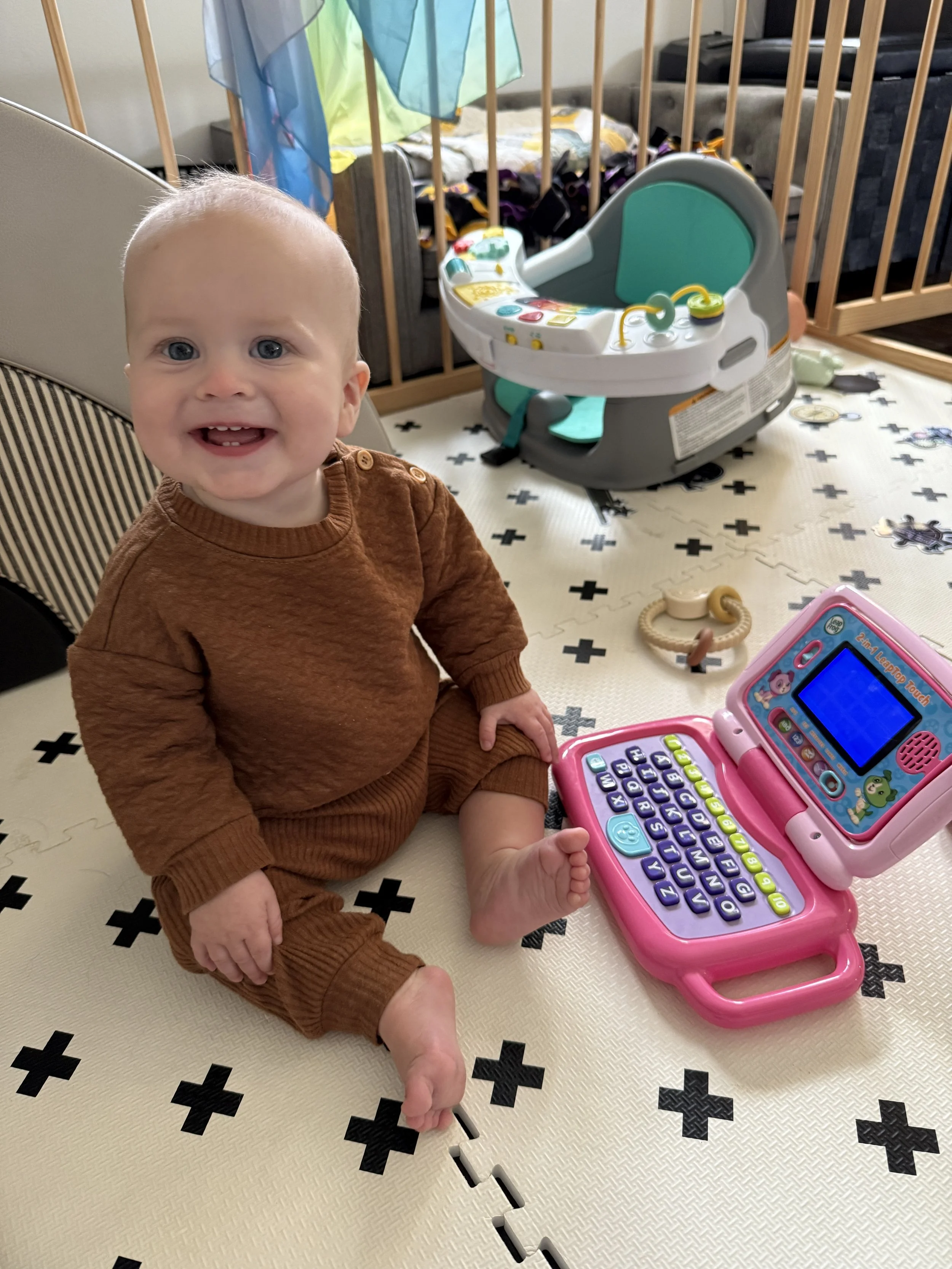
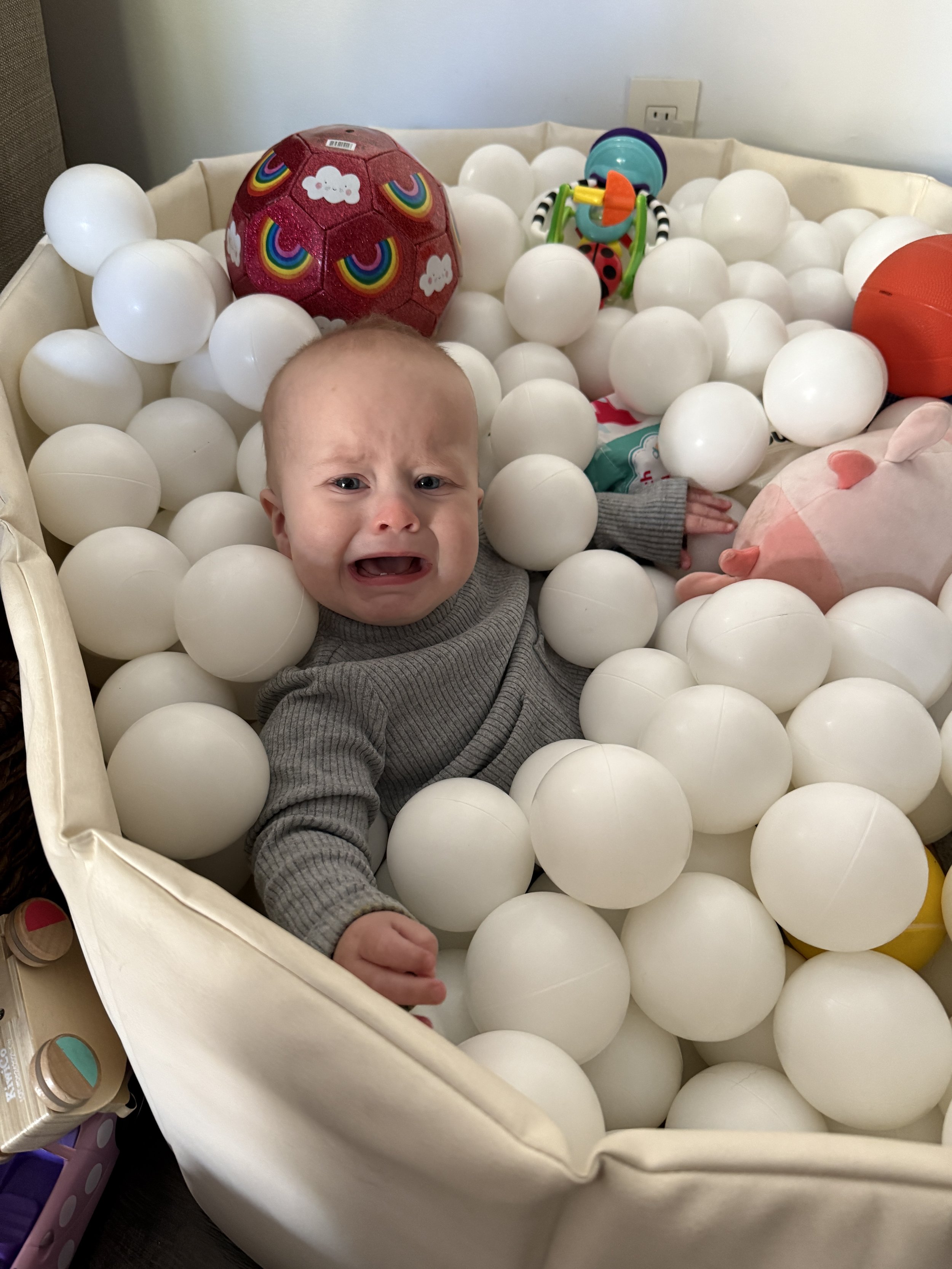
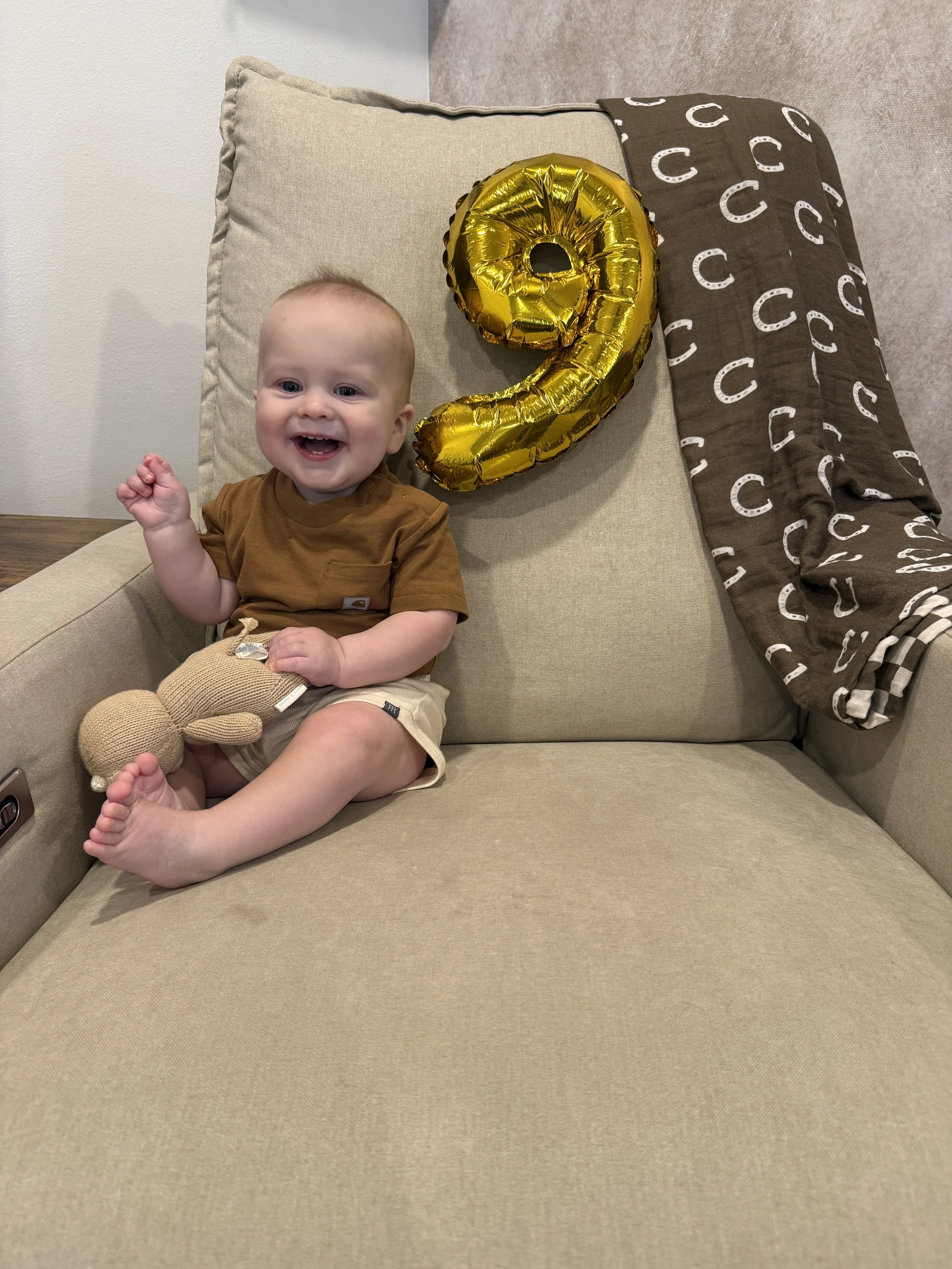
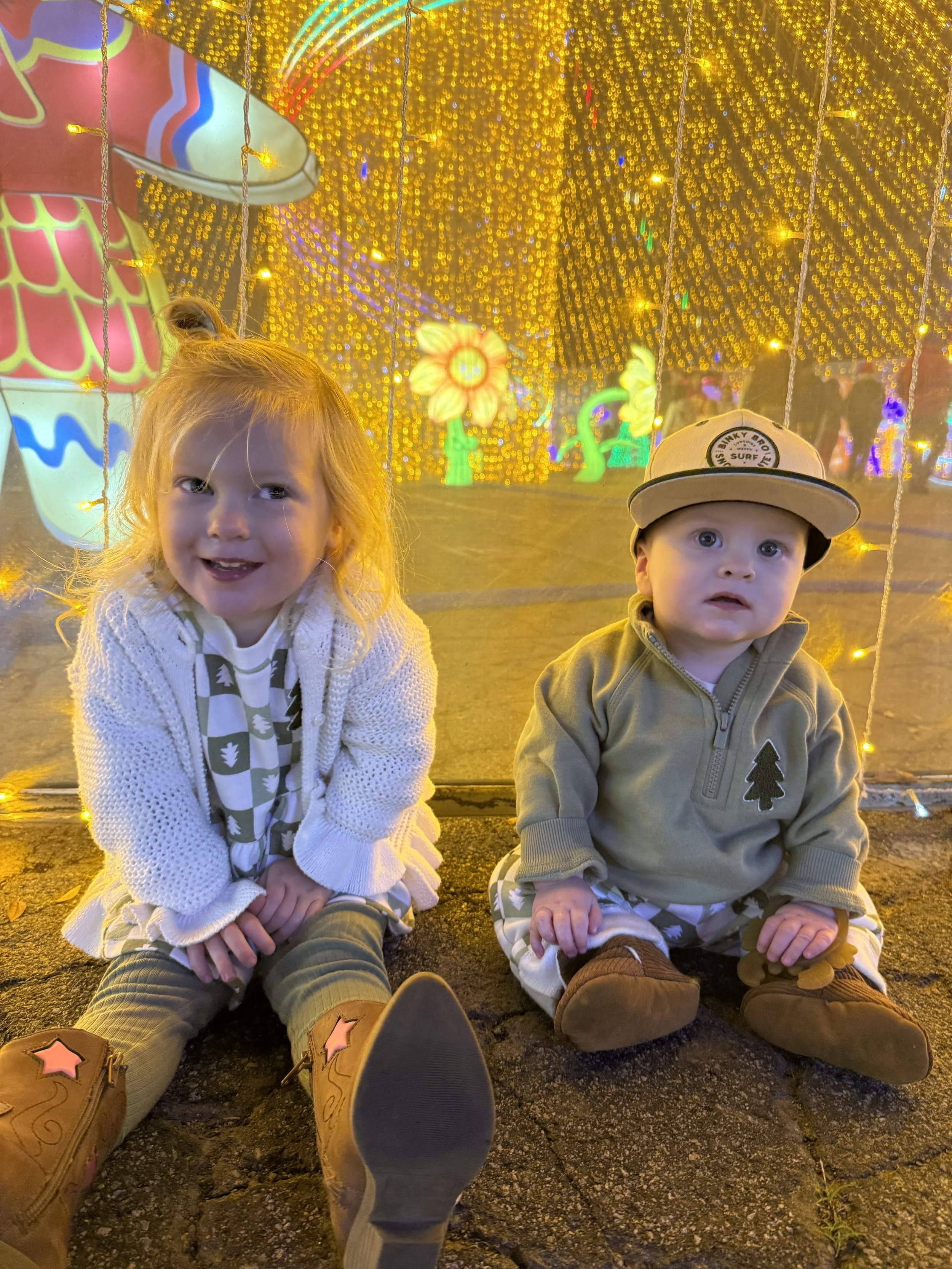
Watching my nine-month-old son move through the world has brought all of these perspectives together in ways I didn’t expect. My wife and I are teaching him how to explore his environment, how to trust his body, how to move with curiosity. And I find myself watching him with the same attentiveness I bring into recovery spaces.
I notice how he initiates movement. Whether it comes from curiosity or necessity. How he shifts his weight. How he stabilizes. How he uses his hands not just for support, but for information. I watch how often he fails, and how little that failure seems to matter to him.
Lately, I’ve been watching him learn how to do the smallest things, and realizing just how big those things actually are.
Right now, he is learning how to sit on his own. How to reach on his own. How to grasp on his own. How to bring food to his mouth and eat on his own. I watch him work to get onto all fours, to organize his body enough to support himself through his arms and knees. I watch him roll from prone to supine and from supine to prone, sometimes smoothly, sometimes awkwardly, sometimes with frustration, sometimes with joy.
These are everyday tasks for him. Ordinary moments in early childhood development.
And many of them are things I still struggle with. Or cannot do fully. Or must approach with extreme intention, assistance, or adaptation.
That reality exists. And yet, what surprises me most is that when I watch him, I don’t feel loss. I don’t feel resentment. I don’t feel comparison in a way that steals joy. What I feel, overwhelmingly, is thrill. A genuine excitement in my heart and in my eyes as I watch him learn, explore, and grow into himself.
There is dissonance there, yes. But it is not dissonance rooted in bitterness. It is dissonance held alongside awe.
As I watch him, I can’t help but think about the childhood development continuum we talk about so often at The Perfect Step. The sequence that most children move through as they physically organize themselves and learn how to interact with the world.
They come out of the womb and first learn how to roll. From prone to supine. From supine to prone. Then they begin to prop themselves up into elbows and knees. From there, as their triceps and shoulder stability develop, they learn how to support themselves through hands and knees. What many people casually call hands and knees is actually a significant neurological and physical milestone.
Then they learn how to sit. Independently. Confidently. With balance and control. From there, they crawl. They kneel. They pull to stand. They stand unsupported. And eventually, they walk.
Watching that continuum unfold in a young child is fascinating. It is brilliant. It is elegant. And it is deeply humbling.
Because as I watch him move through those stages, I’m reminded that my own recovery still lives within that same continuum. In many ways, my work is still elementary. Still foundational. Still childlike in nature.
Rolling. Weight shifting. Trunk control. Reaching. Supporting through my arms. These are not advanced athletic skills. They are the earliest building blocks of movement. And yet, they remain meaningful, challenging, and necessary for me.
Seeing my son progress through these stages with such natural momentum does not make my journey feel smaller. It makes it feel clearer.
It reminds me that recovery is not about reclaiming some imagined version of adult movement. It is about honoring the same foundational processes that every human body relies on to function. Patience. Repetition. Exposure. Safety. Time.
And watching him do, so effortlessly, what I must work so deliberately to achieve has softened my perspective rather than hardened it.
Because at the end of the day, what I see when I look at him is not what I lack.
What I see is possibility. Growth. Continuity. Life moving forward.
And sometimes, without meaning to, I realize I am placing timelines around his development.
When should he be sitting more confidently? When will he crawl? When will he pull to stand?
That isn’t entirely fair to him.
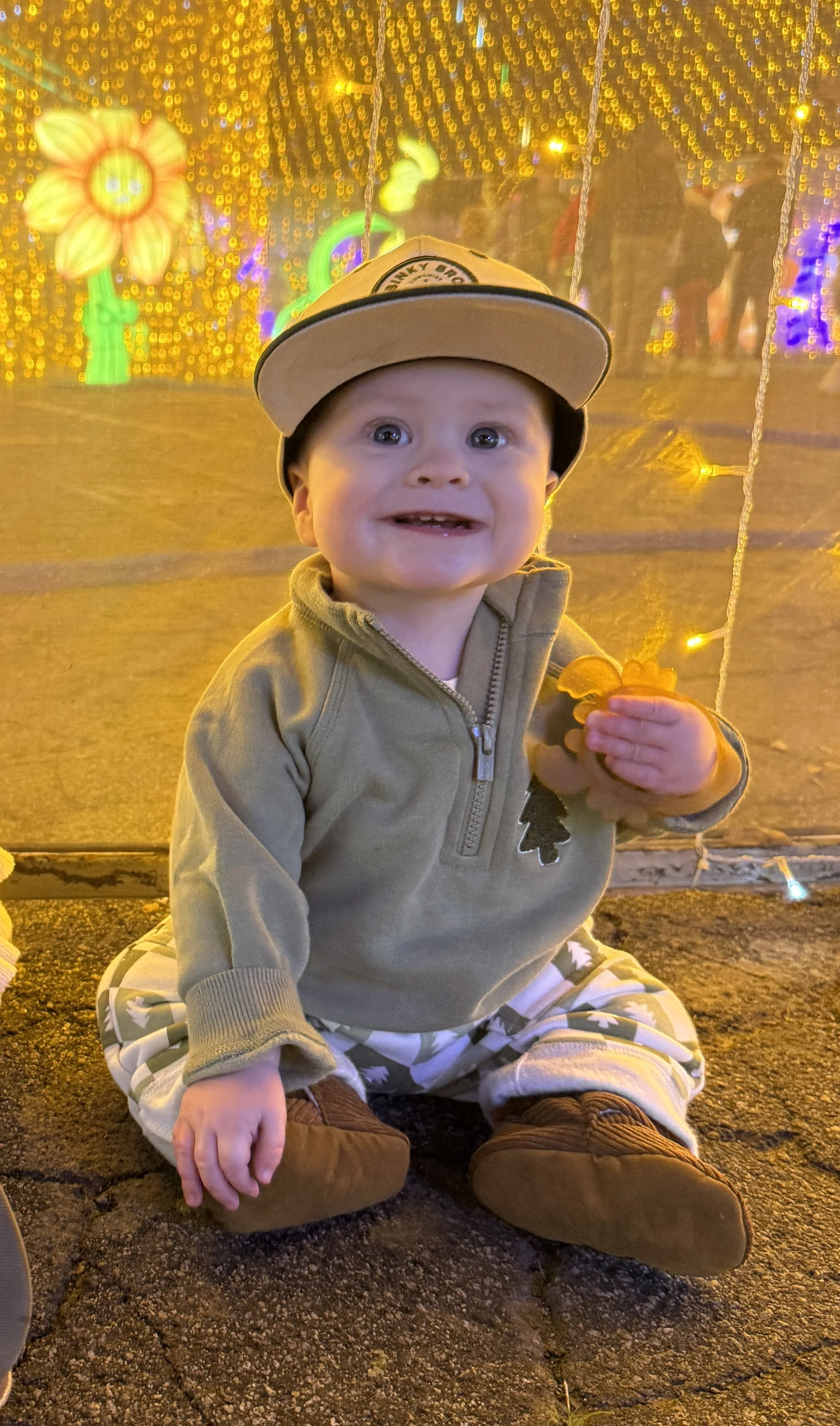
The truth is, children develop at their own pace. No two kids follow the same timeline or continuum. One child may crawl early and walk later. Another may skip crawling altogether. It doesn’t mean a child is behind. It means they are human.
Eventually, for those with the physical opportunity to do so, the playing field largely levels out. Children walk. They run. They adapt. Each with different gait patterns, different rhythms, different speeds. Just like adults. Just like all of us.
Because we are all different. There is no single blueprint. No exact formula that works for me in recovery, parenting, or life that would work the same way for someone else.
Watching my son has sharpened my awareness of how movement is learned, not assumed. How function is built through repetition, exposure, safety, and time. He is not thinking about milestones. He is simply responding to his environment.
In contrast, my movement today is deliberate. Calculated. Thought through. Every transfer, every reach, every shift of weight carries intention and consequence. My body does not learn incidentally. It learns through structure and support.
And yet, there is overlap.
We are both learning our bodies.
He is discovering what his can do for the first time.
I am still discovering what mine can do, even after all these years.
And here’s the paradox that stops me in my tracks:
in many ways, my nine-month-old son has more functional mobility than I do.
That observation isn’t rooted in sadness or comparison for the sake of grief. It’s simply honest. It carries weight. It forces reflection.
There is also something important I am learning as a father, and it’s this: it is okay to hold dissonance.
It is okay to feel two very different things about the same moment at the same time.
There is no part of me that feels anything other than elated, excited, and deeply hopeful watching my son grow. I want nothing but physical opportunity for him. Strength. Agility. Freedom. I celebrate every milestone without resentment or hesitation.
And still, I live with the quiet awareness of my own limitations.
That doesn’t mean I’m not trying. It doesn’t mean I failed. Sometimes effort doesn’t equal outcome. And acknowledging that truth doesn’t diminish anyone else’s experience or joy.
What I know with certainty is this: I am grateful my children do not carry my challenges. I would never wish that path for them. And in that gratitude, I’ve discovered something unexpected.
My role as a father is not defined by what I can physically demonstrate.
I may not be able to show my kids how to do everything with my body. But I can show them how to navigate the world with awareness. I can teach them through language, presence, patience, and empathy. I can guide them verbally. I can walk alongside them as they figure things out.
I have an empathetic heart. I have lived experience. I have the ability to be present, involved, and intentional.
And that matters.
Our inherent value has never been and will never be measured by our ability to walk. It is measured by our capacity to love, to empathize, and to give back to the world around us. Physical ability may shape how we move through life, but it does not define the worth of a life lived.
I hold real hope for the future. I believe deeply in medical advancement, in research, and in the progress being made every day, particularly through organizations like Wings for Life that are relentlessly pursuing breakthroughs for spinal cord injury. I remain open to what science, innovation, and time may make possible.
At the same time, I know this. If I never walk again, that is okay too.
A meaningful life does not wait for a physical outcome. It is not paused until a body changes. Life is happening now, and it is rich with purpose, connection, responsibility, and love. I have built a life filled with family, community, work that matters, and opportunities to serve others. None of that is diminished by whether or not I ever take another step.
Whether I walk again someday, or whether my son grows up running, walking, or moving through the world in his own way, his impact will never be measured by his gait or his speed. It will be measured by the heart he carries, the empathy he shows, and the way he treats others. Just like all of us.
Hope and acceptance are not opposites. They can live in the same space. I can believe in what may come while also being at peace with what is. That balance has given me clarity, resilience, and a deeper understanding of what truly matters.
In the end, our bodies tell only part of the story. Our hearts, our actions, and the lives we touch tell the rest.
I’m grateful I had the opportunity to experience physical ableness in my life, because it gave me a lived understanding of what that blessing means, knowing many never have that chance.
Fatherhood has expanded my definition of strength. It has reminded me that leadership doesn’t always come from showing someone how to do something, but often from being there while they learn.
One day, he will run without thinking. And I will watch with full awareness of how extraordinary that is.
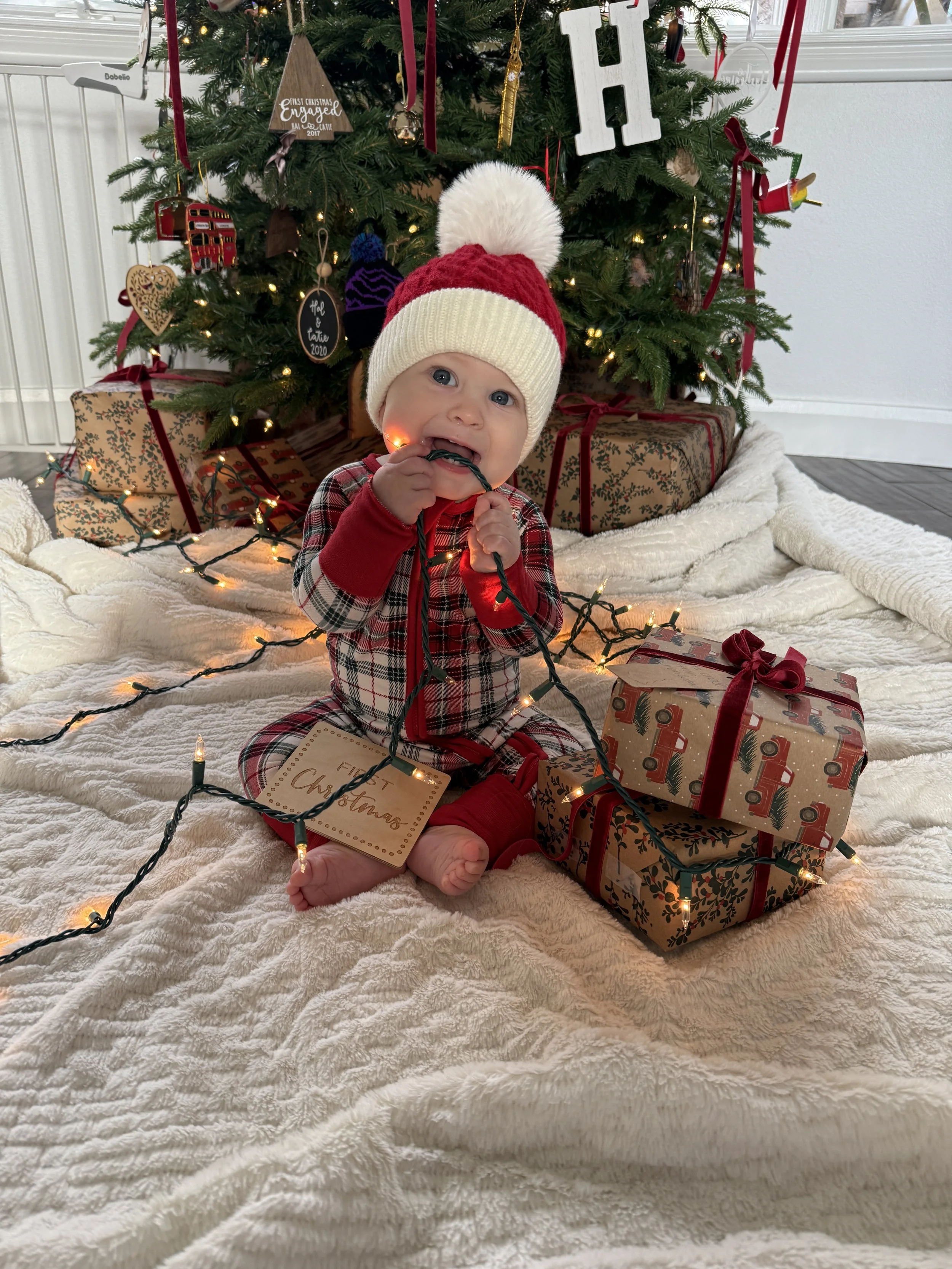
Today, I watch him rock forward on his hands, wobble, smile, and try again. And in that moment, I am not comparing us. I am simply witnessing the miracle of development through eyes that understand both fragility and resilience. In these moments, I remind myself it’s okay to feel two things in the same place. Absolute irritation, sorrow, and anger at times for the situation of my lack of movement, regardless of the effort that I put in; with, by the way, a lot of hope still resident there. And then also at the same time, a feeling of triumph, happiness, pride, and excitement for Chase as he comes into his own.
That visibility is a gift.